



Are Motorcycle Helmets Required in Virginia?
You were in an accident. Maybe you weren’t wearing a helmet. Maybe you were, and you’re still dealing with serious injuries. Either way, you are probably wondering whether the Virginia motorcycle helmet law is about to be used against you by the other side’s insurer, and whether that means your claim is already in trouble.
That fear is understandable, and it’s not unfounded. Virginia follows contributory negligence, one of the strictest fault standards in the country. Being found even 1% at fault can bar you from recovering anything. Insurance adjusters know this. When they’re looking for a way to reduce or deny your claim, the no-helmet argument is one of the first tools they reach for.
But here’s what they don’t want you to know: Virginia law specifically protects you from having helmet use turned into automatic negligence. Our founding partners, Jonathan DeLoatche and T. Wayne Williams, spent years on the defense side representing insurers. They know exactly how this argument is built, because they built it. Now that knowledge is entirely in your corner. If you were hurt in a motorcycle accident in Virginia, contact our personal injury attorneys at Williams DeLoatche, P.C. to understand your options.
What Virginia’s Motorcycle Helmet Law Requires
All motorcycle operators and passengers in Virginia are required by law to wear a protective helmet while riding. That requirement comes from Va. Code § 46.2-910, which covers both the operator and anyone riding as a passenger.
The same statute also requires eye protection. If your motorcycle is not equipped with safety glass or a windshield, you must wear a face shield, safety glasses, or goggles. This is a piece of the law that many riders don’t realize applies to them. Virginia’s helmet law is not just about head protection. It covers your eyes, too.
Who Needs to Wear a Helmet in Virginia?

Virginia’s universal helmet law does not create exceptions based on age, experience level, or how long you’ve held a motorcycle license. Both operators and passengers are covered, and the same standards apply to both.
Operators and Passengers
Both the person operating the motorcycle and any passenger riding along are required to wear a certified helmet. There is no exception based on a rider’s age, how many years they’ve been riding, or what class of license they hold. If you’re on the bike, whether you’re steering or sitting, you must be wearing a helmet.
When Helmets Are Not Required
The universal helmet requirement is broad, but the statute does carve out a few narrow situations where it does not apply. Riders and passengers are not required to wear helmets on motorcycles with wheels eight inches or less in diameter. Riders in three-wheeled motorcycles or autocycles that have non-removable roofs, fixed windshields, and fully enclosed bodies are also exempt. Motorcycle riders participating in an authorized parade, escorted by law enforcement and operating at no more than 15 miles per hour, are exempt as well.
These exceptions do not apply to the vast majority of riders on Virginia roads. If you are operating a standard motorcycle on a public road under normal conditions, the helmet requirement applies to you.
What Makes a Helmet Legal in Virginia?
Not every helmet on the market meets Virginia’s legal standard. The law specifies which certifying bodies set the minimum requirements, and your helmet must meet or exceed at least one of them.
Approved Certification Standards
Virginia law requires that helmets meet or exceed the standards of one of three bodies: the Snell Memorial Foundation, the American National Standards Institute (ANSI), or the federal Department of Transportation (DOT). These are not marketing labels; each requires the helmet to pass impact absorption testing, retention system testing, and field-of-vision standards before it can carry the certification. A helmet that does not meet at least one of these three standards does not satisfy Virginia’s helmet law.
How to Check Your Helmet
You can verify your helmet’s certification without sending it anywhere. DOT-compliant helmets carry a DOT sticker on the outside back of the helmet. SNELL and ANSI certifications typically appear on a label inside the helmet, along with the manufacturer’s information and production date. If you’re uncertain whether your current helmet qualifies, check both the exterior and interior labeling before your next ride.
What Happens to Your Claim If You Were Not Wearing a Helmet?
This is the question that matters most if you’ve already been in an accident. The answer is more reassuring than most riders expect, but there are real risks you still need to understand.
Virginia’s “No Negligence Per Se” Protection
Virginia’s helmet law includes language that most riders overlook. Under Va. Code § 46.2-910, failure to wear a helmet does not constitute negligence per se in any civil proceeding.
Here’s why that matters. Normally, when you violate a safety statute, that violation can automatically be used to establish that you were negligent. Virginia’s motorcycle helmet statute removes that automatic finding. Not wearing a helmet may have been a violation of the law, but it cannot be used by itself to prove that you were negligent in your personal injury case.
What Insurers Will Try to Argue
Knowing the law and facing an insurer are two different things. Our founding partners spent years representing insurers and large defendants before founding Williams DeLoatche, P.C., and the no-helmet argument was part of their playbook.
Here’s how it works: the insurer cannot use the helmet to argue you caused the accident. But they will argue it contributed to the severity of your injuries, particularly head and brain injuries, and then use Virginia’s contributory negligence doctrine to try to bar or reduce your recovery. These are two distinct legal arguments, and only one of them is blocked by §46.2-910.
An attorney who understands how this argument is structured can counter it with medical evidence, expert testimony, and a clear-eyed application of what the statute actually says.
Virginia’s Contributory Negligence Rule and Your Motorcycle Case
Virginia follows a pure contributory negligence standard. Under this rule, if you are found to be even 1% at fault for the accident or your injuries, you may be barred from recovering any compensation at all. It is one of the strictest fault standards in the country, and it is why insurers in Virginia are so aggressive about finding any basis to assign partial fault to an injured rider.
Not wearing a helmet is not automatic negligence under § 46.2-910, but the insurer may still argue that the absence of a helmet contributed to the severity of your injuries, which is a different and legally viable argument under Virginia law. These two claims operate independently. The statute blocks one; the other has to be defeated with evidence.
When this argument is made, the burden is on the insurer to show that the helmet’s absence caused or worsened your specific injuries. A skilled Virginia motorcycle accident attorney can challenge that argument with medical documentation, accident reconstruction evidence, and expert analysis. Virginia’s contributory negligence rule makes this fight high-stakes, which is exactly why having experienced representation matters.
What to Do If You Were in a Motorcycle Accident in Virginia
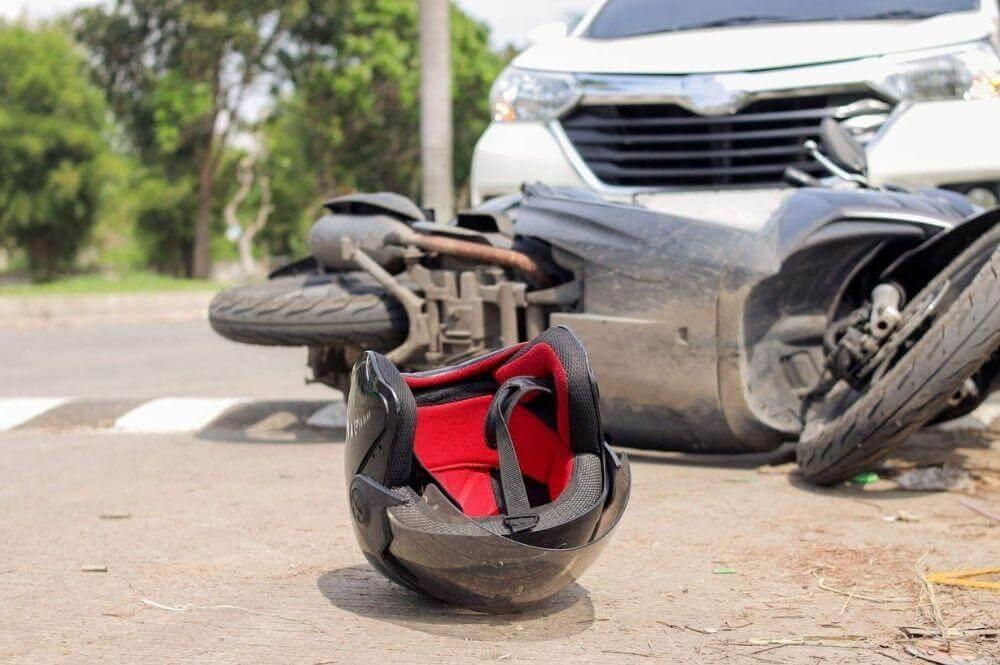
If you were in a motorcycle accident in Virginia, the most important thing to do is protect your health and your potential claim. Call 911 right away so emergency responders and law enforcement can come to the scene. Even if you think you feel okay, seek medical attention as soon as possible, because some injuries take time to fully appear. If you are able, take photos of the accident scene, the vehicles involved, road conditions, and your injuries. You should also collect contact information from the other driver and any witnesses. Be careful about what you say at the scene, and do not admit fault or speculate about what happened. Afterward, it is important to speak with a Virginia motorcycle accident attorney who can help you understand your rights, preserve evidence, and deal with the insurance company.
Why Choose Williams DeLoatche, P.C. for Your Virginia Motorcycle Case
Before Jonathan DeLoatche and T. Wayne Williams founded Williams DeLoatche, P.C. in 2008, both partners spent years representing insurers and large defendants. They know how the other side evaluates motorcycle injury claims, and they know how the no-helmet argument is constructed. That knowledge is now entirely in your corner.
We handle cases on a contingency fee basis, so there are no upfront costs to you. We serve clients from the Blue Ridge Mountains to the Eastern Shore, including Virginia Beach, Norfolk, Chesapeake, Hampton, Newport News, and surrounding Hampton Roads communities.
Client Testimonials
“I had an exceptional experience working with this law firm. From start to finish, the team was incredibly helpful, attentive, and supportive. They not only delivered everything I needed for a successful settlement but also took the time to educate and guide me through what was a very challenging period. Their professionalism, communication, and genuine care for my best interest truly stood out. I could not recommend a better team to have on your side. If you’re looking for knowledgeable and compassionate legal support, look no further.” – Victoria M.
“I’m incredibly grateful for the support and professionalism I received from William DeLoatche and their team. After my car accident in September 2024, I felt overwhelmed and unsure of what to do next. From the beginning, they walked me through every step of the process, always keeping me informed and making sure I understood my options. They fought for my case with dedication and integrity, and thanks to their hard work, everything was resolved successfully. I couldn’t be happier with the outcome. If you’re looking for someone you can trust during a difficult time, I highly recommend them.” – Jessica Q.H.
“John DeLatche was amazing, professional, and very prompt to my needs. I highly recommend him and his staff. Everyone is very warm and welcoming and they make you feel like family. Thank you for making this such an easy process!!” – April C.
Frequently Asked Questions
Do All Motorcycle Riders in Virginia Have to Wear a Helmet?
Yes. Virginia’s universal helmet law requires all operators and passengers to wear a helmet that meets DOT, SNELL, or ANSI standards. A few narrow exceptions apply.
What Happens If I Was in an Accident and Was Not Wearing a Helmet?
Not wearing a helmet does not automatically make you at fault. Under Va. Code § 46.2-910, failure to wear a helmet is not negligence per se in a civil case. The other side’s insurer may still argue it contributed to your injuries, but an experienced attorney can challenge that argument with medical evidence and legal analysis.
What Is the Fine for Not Wearing a Motorcycle Helmet in Virginia?
Riding without a compliant helmet is a Class 4 misdemeanor under Virginia law, which can result in a fine of up to $250. For accident victims, that violation may also be raised in a civil claim, which is one of the key reasons having an attorney matters if you were hurt while not wearing a helmet.
Talk to a Virginia Motorcycle Accident Attorney Today
If you were hurt in a motorcycle accident in Virginia, with or without a helmet, we can help you understand what your case is worth and what comes next. Call Williams DeLoatche, P.C. at (757) 547-5555 or reach us through our contact form for a free consultation. We’ve been on the other side of these cases. We know how the argument is made, and we know how to take it apart.

Direct Access.
Real Results.