



How Many Times Can a Dog Bite Before Being Put Down?
A sudden dog attack can disrupt your sense of safety and leave you dealing with serious questions about your health, your legal rights, and what happens next. Many individuals across Hampton Roads struggle to understand how Virginia law handles dog bite incidents, especially when concerns involve personal injury, public safety, the dog’s future, and the risk of another incident.
Lack of clear information can make the situation harder to manage. When you do not know what steps to take, you may delay medical attention, overlook reporting requirements, or lose important evidence needed to support a claim. These issues can affect both recovery and your ability to hold the responsible party accountable.
At Williams DeLoatche, P.C., our firm guides clients through the legal process after a dog bite incident. We explain how Virginia dog bite laws apply to your situation, address owner responsibilities, and help you take informed steps toward protecting your rights and pursuing compensation.
“I had a great experience working with this law firm. Mr. Barbosa was wonderful his communication was clear and consistent, and he always kept me informed throughout the entire process. He responded in a timely manner and was very accommodating with my schedule. I truly appreciate his professionalism and dedication. Highly recommend!” – Syria M.
What Happens After a Dog Bite in Virginia?
Virginia law requires a structured response after a reported dog bite incident to protect public health and safety. The process begins when the incident is reported to local animal control or local authorities, who gather details about the dog owner, location, and circumstances of the dog attack.
Animal control officers investigate by reviewing evidence, speaking with witnesses, and evaluating the dog’s behavior. In many cases, the dog must undergo quarantine to monitor for rabies and confirm vaccination status. Authorities may issue citations, impose restrictions, or refer the case to court depending on the findings.
Why Some Dog Bites Lead to Legal Consequences
Not every dog bite leads to legal action. Virginia law focuses on whether the incident reflects a failure in owner responsibilities or a risk to public safety. Under Virginia Code § 3.2-6540, authorities may classify a dog as dangerous based on injury or aggressive behavior, which can lead to restrictions or further proceedings.
When a Dog Bite Becomes a Public Safety Issue
A dog bite becomes a public safety concern when evidence shows ongoing risk. Unprovoked dog attacks, repeated incidents, or a severe injury often trigger closer review by law enforcement and animal control. If a continuing threat exists, the case may proceed to a court hearing for a final decision.
Does a Dog Get Put Down After Biting Someone in Virginia?
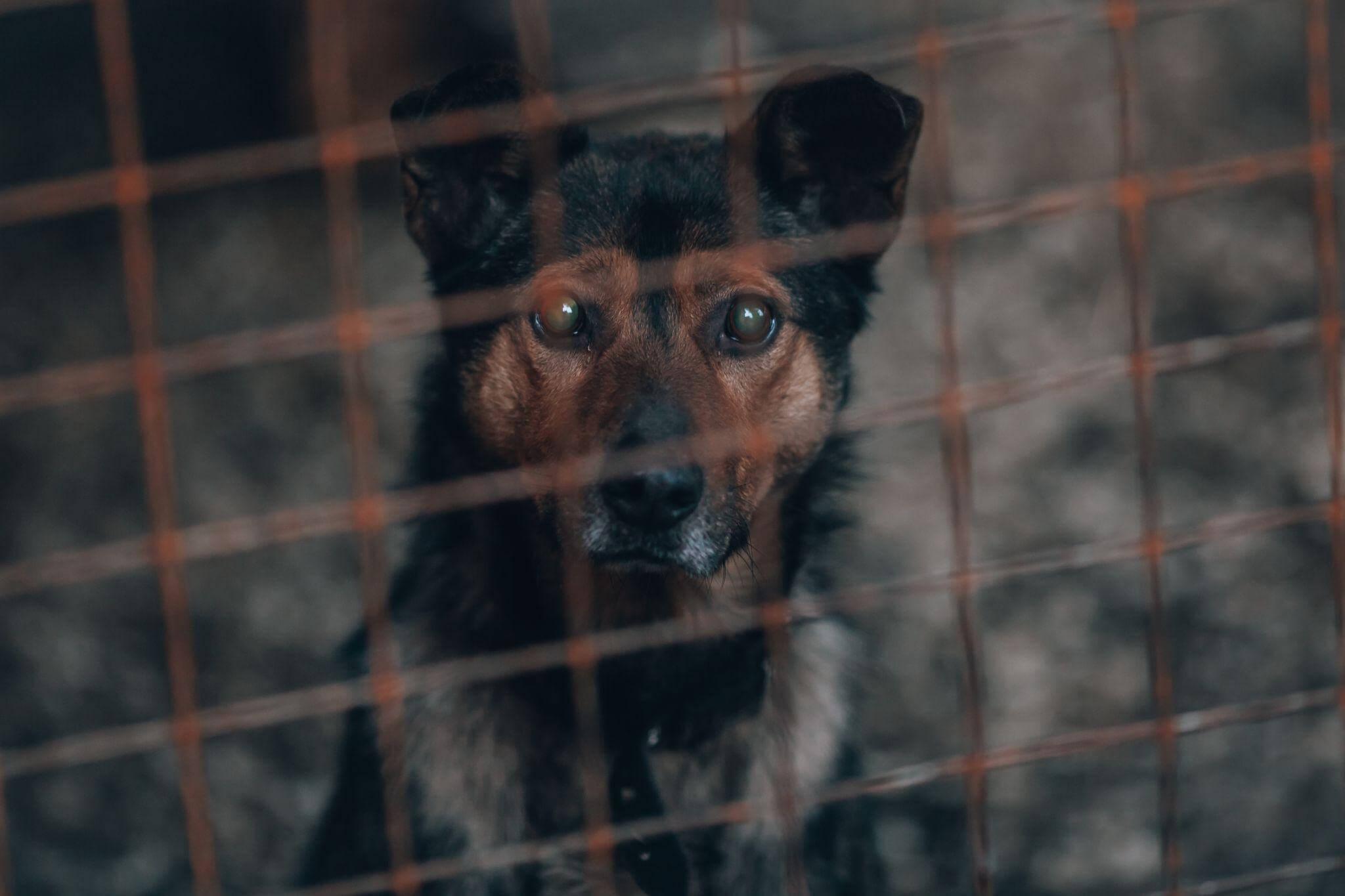
Virginia law does not require automatic euthanasia after a dog bite incident. Authorities review each case based on the dog’s behavior, injury severity, and risk to public safety. Many cases result in restrictions or monitoring instead of euthanasia.
Situations Where Authorities May Order Euthanasia
Courts may order euthanasia when a dog poses a serious and ongoing threat to public safety. Virginia Code § 3.2-6540 allows this action when a dog qualifies as a vicious dog.
Examples include:
- A fatal dog attack
- A mauling that causes life-threatening or severe injury
When Authorities May Choose Alternatives Instead
Courts often apply alternatives when they determine that risk can be managed. These measures allow the dog owner to retain the animal under strict conditions.
Common alternatives include:
- Secure confinement on the owner’s property
- Mandatory behavioral training or evaluation
- Handling restrictions such as leash requirements and muzzling
Each option aligns with Virginia’s dangerous dog laws and aims to reduce future dog bite incidents.
Dog Bite Laws in Virginia
Virginia dog bite laws focus on owner responsibility and the dog’s behavior rather than automatic liability. The state does not apply a strict liability rule in most cases. Courts evaluate whether the dog owner acted responsibly and followed local laws.
Virginia’s Approach to Dog Bite Liability
Courts examine whether the dog owner knew or should have known about aggressive behavior. Evidence may include prior dog attacks, complaints, or warning signs. Liability may arise when the owner fails to take reasonable steps to prevent harm.
Local Ordinances and Dangerous Dog Regulations
Local laws across Hampton Roads, the Eastern Shore, and the I-81 corridor may impose additional requirements. These rules often address leash laws, confinement, registration, and vaccination.
Local animal control enforces these ordinances and may issue citations or begin legal proceedings when violations occur.
What Is the One Bite Rule for Dog Bite Cases?
The concept known as the “one bite rule” helps explain how courts evaluate a dog owner’s knowledge of risk in dog bite cases. Virginia does not apply this rule as a strict legal standard. Instead, courts focus on the dog’s behavior, prior incidents, and whether the owner understood the risk the domestic animal presented.
How Many Times Can a Dog Bite Before Being Put Down in Virginia?
Virginia law does not set a specific number of dog bites that lead to euthanasia. Courts evaluate each dog bite incident based on the facts, including the severity of the physical injury, the dog’s history, and the level of risk to public safety.
When a Dog May Be Euthanized After a Single Serious Attack
A single dog bite incident may result in euthanasia when it involves a fatality or a severe injury that creates a clear threat to public safety. Courts consider the seriousness of the harm, the circumstances of the attack, and whether any control measures could prevent future incidents.
Who Decides if a Dog Must Be Euthanized in Virginia?
Virginia law assigns responsibility to both animal control and the court system when deciding whether a dog must be euthanized after a dog bite incident. Each plays a defined role in evaluating the dog’s behavior and the risk to public safety.
The process typically includes:
- Animal control investigation: Officers investigate the dog bite incident, gather evidence, review vaccination records, and assess aggressive behavior.
- Legal action: Animal control may initiate proceedings if the facts show a safety concern under dangerous dog laws.
- Court decision: A judge reviews medical records, reports, and evidence before issuing a final ruling, which may include euthanasia or restrictions.
This process ensures that decisions follow Virginia law and reflect the specific facts of each case.
What to Do If You Are Bitten by a Dog in Virginia

A dog bite requires immediate medical attention to prevent infection and protect your health. You should also document the dog bite incident by taking photographs, identifying the dog owner, and gathering witness information. Reporting the incident to local animal control allows authorities to address public safety concerns and enforce applicable laws.
Dog Bite Reporting Requirements in Virginia
Virginia law requires reporting dog bites to local authorities, including animal control or health departments. This process helps monitor rabies risks and supports investigation. Local jurisdictions may impose additional reporting requirements.
Who Is Liable for a Dog Bite in Virginia?
Liability depends on whether the dog owner acted with reasonable care. Virginia law applies negligence principles, so courts examine the dog’s behavior, prior incidents, and compliance with local laws.
Liability of Dog Owners
Courts may hold dog owners responsible when they fail to control a domestic animal, ignore aggressive behavior, or violate leash laws. Evidence such as prior complaints and lack of restraint may support liability.
When Landlords or Property Owners May Be Responsible
Property owners may share liability when they knew a dangerous dog remained on the property and failed to address the risk. Courts consider control over the premises and the ability to prevent harm, especially in incidents on private property.
Can You Sue Someone if Their Dog Bites You in Virginia?
Virginia law allows dog bite victims to pursue compensation when negligence contributes to a dog bite incident. A claim may include recovery for medical bills, lost income, and other damages tied to the attack. Each case depends on evidence that shows how the incident occurred and whether the dog owner or another party failed to meet their legal responsibilities.
What Evidence Helps Prove a Dog Bite Claim?
Strong evidence supports a clear understanding of liability and damages in dog bite cases. The following types of documentation often help establish responsibility and the extent of harm:
- Photographs of dog bite injuries and the scene
- Medical records showing treatment and medical attention received
- Witness statements describing the dog attack
- Reports from animal control or law enforcement
- Evidence of prior aggressive behavior or warning signs
When a Bite May Not Lead to Compensation
A dog bite claim may not result in compensation when evidence does not show negligence or a failure in owner responsibilities. Courts may also consider whether the injured person provoked the dog, entered private property without permission, or contributed to the incident in a way that affects liability under Virginia law.
Child Injury Claims after a Dog Bite in Virginia
Child dog bite cases often involve serious injury due to the size difference between children and dogs. Injuries frequently affect the face, head, or neck and may require ongoing medical care, reconstructive treatment, or psychological support. Virginia law allows a parent or guardian to pursue a claim on behalf of a minor, and courts carefully evaluate long-term impact, including emotional trauma and future medical needs.
Compensation Available for Dog Bite Victims

Dog bite victims may seek compensation for both financial losses and personal harm caused by the incident. The value of a claim depends on the severity of the injury, the extent of treatment, and the long-term effects on the individual’s life.
Medical Expenses and Treatment Costs
Compensation may include costs for emergency care, surgery, infection treatment, and rehabilitation. Medical expenses may also cover follow-up care, medications, and any future treatment required due to complications from dog bite injuries.
Pain and Emotional Trauma After a Dog Attack
A dog attack can cause lasting emotional distress, including anxiety, fear, and trauma related to animals or public spaces. Virginia law allows recovery for these harms when evidence supports the impact on the individual’s daily life and well-being.
When You May Need a Dog Bite Attorney
Legal guidance may help when injuries involve serious harm, disputed liability, or complex insurance issues. A dog bite attorney can gather evidence, work with animal control reports, and guide clients through the legal process while protecting their legal rights and pursuing appropriate compensation.
Why Choose Williams DeLoatche, P.C. for Your Dog Bite Injury Claim
Williams DeLoatche, P.C. serves clients across Hampton Roads, the Eastern Shore, and surrounding Virginia regions with a focus on personal injury cases. Our dog bite lawyers approach each case with attention to detail, clear communication, and a strong commitment to client care. We understand the challenges that follow a dog bite incident and work closely with each client to address their concerns, protect their legal rights, and guide them through the legal process with clarity and purpose.
Testimonials
“I was treated with genuine kindness and compassion throughout the entire process. Mr. Barbosa and his team were supportive, professional, and truly worked in my best interest. They helped me navigate a very difficult time, and I am grateful for the outcome and the care they showed every step of the way. Highly recommend.” – Ursala B.
“Our Attorney, Josh Barbosa and the firm who are like family to us. We feel so blessed beyond words we can ever express and our gratitude following my car accident . Your support during that difficult time meant the world to us, especially when we felt overwhelmed, under a lot of stress . We are truly indebted to you and the firm for all the kindness and generosity . We sincerely appreciate everything you did. Hands down to the Williams Deloatche, P.C. and team.” – John T.
Frequently Asked Questions About Dog Bite Laws
How Long Do You Have to Sue After a Dog Bite in Virginia?
Virginia state law sets a two-year deadline for personal injury claims under Va. Code § 8.01-243. This period usually begins on the date of the bite. Cases involving minors may follow different timing rules, so a legal review can clarify deadlines and preserve your rights.
Can Someone Other Than the Dog Owner Be Liable?
Yes, liability may extend beyond the owner in certain cases. Caretakers, dog sitters, or property occupiers may face responsibility if they had control over the dog and failed to address known risks. Each case depends on facts that show who had authority and knowledge at the time.
Can I Sue a Dog Owner if Their Pet Bites Me on Private Property?
You may pursue a claim even when the bite occurs on private property. Courts evaluate whether negligence occurred and whether you had a lawful reason to be present. Prior knowledge of aggressive behavior may also influence liability.
How Long Does a Dog Bite Investigation Take?
The timeline depends on the circumstances of the case. Some investigations conclude within days, while others take longer when hearings or additional evidence are required.
A Dog Bite Can Leave More Than Physical Scars. We Can Help You Seek Justice.
A dog bite incident can affect your health, finances, and sense of safety. You do not have to handle the situation alone. Williams DeLoatche, P.C., provides guidance tailored to your situation and helps you understand your options under Virginia law.
Call 757-547-5555 or fill out our online contact form to schedule your free consultation and take the next step forward.

Direct Access.
Real Results.