



Preventing Boating Accidents
Boating can be a wonderful recreational activity, but it comes with inherent risks. Whether you are an avid boater or a first-time sailor, safety should always be your top priority on the water. In this blog, we will share valuable tips for preventing boating accidents and ensuring a safe and enjoyable voyage.
The attorneys at Williams DeLoatche, P.C. provide legal representation for personal injury claims related to boating accidents, offering guidance to help address injuries sustained on the water. Continue reading to learn about safety tips you should consider while out on the water.
If you’ve been injured in a boating accident, please call us for a free consultation. 757-787-8900.
“Very helpful. Great service and best of all they are very understanding. Josh is the best attorney in my opinion. Flexible with your schedule also.” – Wilmer G.
Safety Tip One: Always Wear a Life Jacket
Life jackets are essential safety equipment for all boaters. While Virginia law doesn’t require adults to wear them, they can save lives during emergencies. Children under 13 must wear a U.S. Coast Guard-approved life jacket by law. Wearing one ensures safety and reduces risks during recreational boating.
Safety Tip Two: Prioritize Boating Education
To become a responsible boater, you must first educate yourself on boating regulations, safety standards, and navigation guidelines. A boating safety course not only provides you with important information, but it also makes you aware of potential hazards and how to handle emergencies. The best defense against boating accidents is knowledge.
Safety Tip Three: Conduct Pre-Boat Checks
Before setting sail, thoroughly inspect your vessel. Ensure that all safety equipment, such as life jackets, flares, fire extinguishers, and navigation lights, is onboard and in good working order. Check that your boat’s engine and other critical systems are working properly. A well-maintained boat reduces the likelihood of unexpected breakdowns and accidents.
Safety Tip Four: Respect Weather Conditions
Always check the weather forecast before heading out on the water. Storms, high winds, and rough seas can quickly escalate into dangerous situations. If the weather appears unfavorable, it’s better to postpone your trip. Avoid taking unnecessary risks that might jeopardize the safety of you and your passengers.
Safety Tip Five: Avoid Alcohol and Drugs
Boating while impaired by alcohol or drugs (BUI) is not only illegal, but also extremely dangerous. Accidents are more likely when judgment is impaired, and reaction times are slower. Make a sober and experienced person the skipper of the boat, ensuring everyone’s safety on board.
What is the Punishment for Boating Under the Influence (BUI) in Virginia?
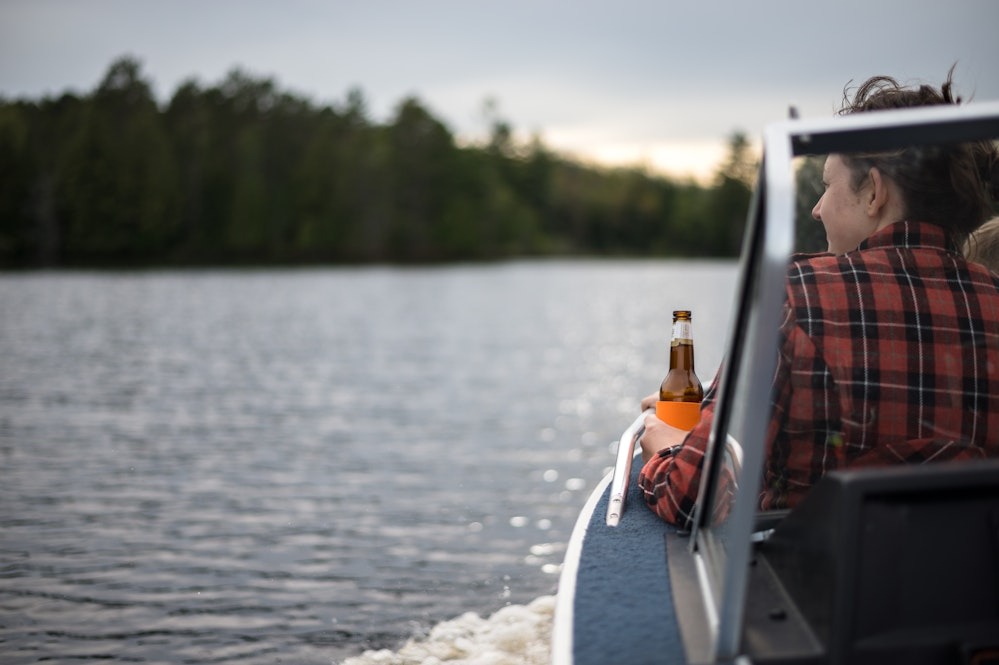
Boating under the influence (BUI) is a serious violation in Virginia, with penalties designed to discourage unsafe practices on the water. Possible punishments include:
- Fines of up to $2,500
- Loss of boating license
- Possible jail time
- Mandatory alcohol education program
Safety Tip Six: Prepare a Float Plan
A float plan is an essential part of boating safety. It includes your planned route, expected return time, details about your boat, and contact information for all passengers. Sharing this plan with a family member or a trusted friend ensures that someone can notify the U.S. Coast Guard if you don’t return as expected. This step is especially critical in Virginia’s waterways, where emergencies can arise quickly. By creating a float plan, boaters can reduce response times during boating accidents.
Safety Tip Seven: Know Buoys and Navigation Rules
Buoys and navigation markers are crucial for safe boating, acting as road signs on the water. These markers guide boaters by identifying safe zones, hazards, and traffic patterns, helping to prevent boating accidents. Following navigation rules and adhering to boating laws ensures safer waterways for everyone. Ignoring these markers can lead to incidents caused by operator inexperience or inattention, which are contributing factors in many accidents.
Safety Tip Eight: Follow Speed Limits
Speed limits exist for a reason. Excessive speed reduces your ability to respond to sudden hazards and increases the likelihood of collisions. Always obey speed limits and slow down in crowded or narrow waterways.
Safety Tip Nine: Monitor Fuel Levels
Running out of fuel in the middle of the water can lead to distressing situations. Monitor your fuel levels and plan your routes accordingly to avoid fuel-related issues.
Safety Tip Ten: Regularly Inspect Your Boat
Routine inspections are a crucial part of boating safety. Regular maintenance ensures that motorboats and other vessels are in proper working condition, reducing the risk of mechanical issues on the water. During inspections, check all safety equipment, including a fire extinguisher, first aid supplies, and life jackets, to confirm they are functional and up to date.
Why Clients Choose Williams DeLoatche, P.C.
Williams DeLoatche, P.C. stands out not only for their decades of combined legal experience but also for their deep connection to the community. As Eastern Shore natives, the founders take pride in serving their neighbors and understanding the unique needs of locals. Their dedication to the Eastern Shore community ensures clients receive personalized, compassionate, and effective legal representation.
Below are testimonials from clients who have experienced the firm’s commitment and expertise firsthand.
Testimonials
“Mr. Williams at Williams DeLoatche, P.C. did a great job on my case. He provided me with personal and professional service. He is the best local personal injury attorney. I highly recommend him.” – Louis JL.
“10 star service. Call Now. Highly Recommend. Professional service with quick results.” – Scott B.
Related Resources
- 3 Steps to Take After You’ve Been Injured in an Accident: Learn the immediate actions to protect your health and legal rights after an accident, including seeking medical care, documenting the incident, and contacting an attorney.
- Boating Accidents and Legal Help: Your Comprehensive Guide: Learn about common causes of boating accidents, steps to take after an incident, and how legal assistance can help you secure compensation.
- Why You Need a Lawyer for Personal Injury Claim Negotiations: Discover how an experienced attorney can navigate negotiations with insurance companies, ensuring you receive fair compensation for your injuries.
Casting Off
We cannot stress enough the importance of boating safety. Following these essential tips can significantly reduce the risk of boating accidents and help you enjoy a worry-free and memorable time on the water. Remember, responsible boating not only protects your passengers but also promotes a safer environment for all boaters, allowing everyone to cherish the joys of boating for years to come.
Remember, here at Williams DeLoatche, P.C., we’re here to support you through the damages boating accidents can incur. Know that we’ve got your back if the waves get rough. If you’ve been injured by someone else, please call us for a free consultation. 757-787-8900.

Direct Access.
Real Results.